The Timeless Peak of Huila: Why Río Baché Coffee Defines the Modern Specialty Movement

The Timeless Peak of Huila: Why Río Baché Coffee Defines the Modern Specialty Movement

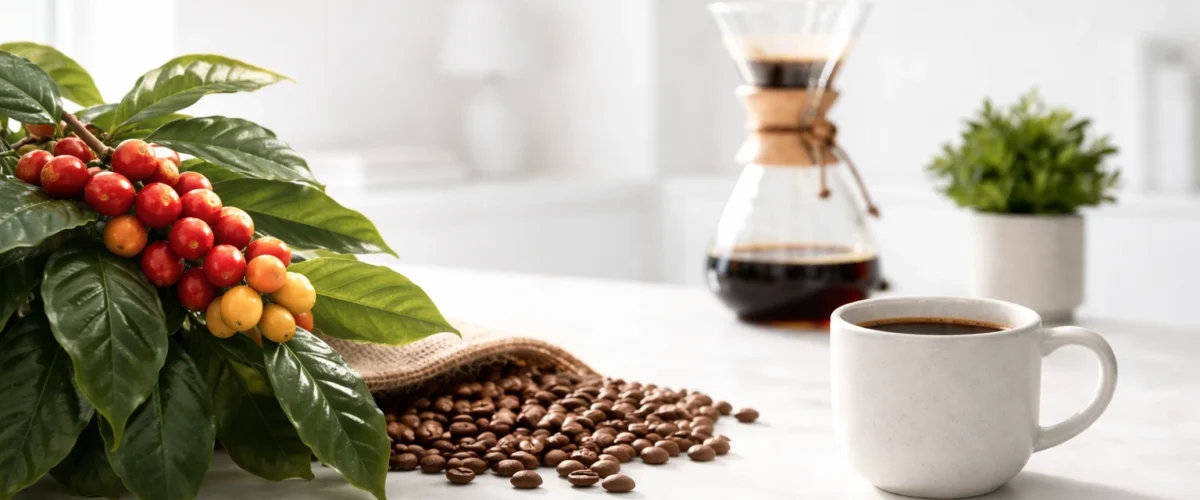
The global landscape of specialty coffee is shifting away from mass production toward traceable, terroir-driven experiences. At the center of this movement is Río Baché Coffee, a standout name santamariaspecialcoffee.com sourcing exclusively from the high-altitude farms of Santa María in Huila, Colombia. While Huila has long held a reputation for exceptional coffee, Río Baché introduces a refreshed, contemporary approach to these classic soils. By combining strict lot selection, farmer-first sourcing, and a celebration of traditional varieties, this coffee delivers an experience that is both exciting for modern palates and built to remain a timeless favorite.

The Terroir: Santa María’s Microclimate

Santa María sits nestled in the northeastern ridge of the Huila department, a geography blessed with rich volcanic ash, steep slopes, and dramatic temperature swings between day and night. These environmental factors slow down the maturation of the coffee cherries. This delay allows the sugars within the fruit to concentrate deeply, translating directly into the cup as complex sweetness and vibrant fruit notes. Río Baché taps directly into these microclimates, working with smallholder farmers who meticulously hand-pick only the most mature cherries. This micro-regional focus updates the broader “Colombian coffee” narrative into a precise, origin-specific showcase.

The Blend of Heritage and Resilience

Río Baché relies on a thoughtful mix of three distinct arabica varieties: Colombia, Castillo, and Caturra. This combination represents the past, present, and future of Colombian agriculture:
  • Caturra: A historical favorite among specialty purists, known for its bright, crisp acidity and elegant body.
  • Colombia & Castillo: Developed to withstand climate pressures and leaf rust, these varieties bring robust sweetness, reliability, and a smooth mouthfeel to the profile.
By balancing the delicate nature of Caturra with the resilient, full-bodied traits of Castillo and Colombia, Río Baché achieves a consistent, high-utility profile. It satisfies the strict demands of third-wave coffee shops while maintaining the comforting, rich soul that coffee drinkers have loved for decades.

A Sensory Update: Tasting the Spectrum

The flavor profile of Río Baché reads like a masterclass in balance, offering notes that appeal to both adventurous tasters and traditionalists:
  • Peach: A delicate, stone-fruit acidity that hits the front of the palate, giving the cup a bright, refreshing start.
  • Orange: A crisp, citrus undertone that provides structure, juiciness, and clean longevity to the finish.
  • Dulce de Leche: The grounding anchor of the cup, offering a rich, caramelized, creamy sweetness that balances out the fruit acids.
This interplay ensures the coffee never tastes overly sour or intensely heavy. Instead, it remains perfectly balanced across various brewing methods.

Modern Brewing for a Classic Profile

To unlock the updated nuances of Río Baché, brewing technique matters. A paper-filter pour-over beautifully highlights the crisp orange and peach brightness. Conversely, utilizing an immersion method like the French Press or a concentrated espresso recipe coaxes out the heavy, velvety dulce de leche finish. This versatility makes Río Baché a staple that adapts to evolving home-brewing trends while delivering excellent flavor every single time.
The Ultimate Guide to Ensaladilla de Pulpo: Spain’s Best Coastal Tapas Reimagined

The Ultimate Guide to Ensaladilla de Pulpo: Spain’s Best Coastal Tapas Reimagined

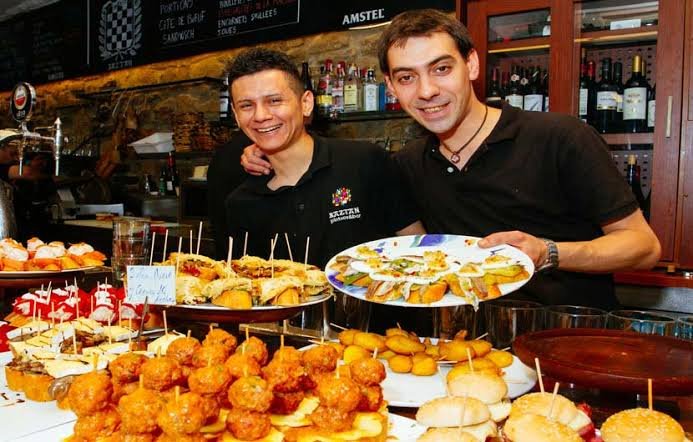
If you walk into any bustling tapas bar along the sun-drenched coast of Andalusia, you will immediately spot a familiar sight in the glass display case: ensaladilla rusa. This creamy potato salad is a cornerstone of Spanish culinary culture. However, top-tier taverns and modern gastro-bars are elevating this classic comfort food by swapping standard canned tuna for tender, Atlantic octopus. The result is Ensaladilla de Pulpo—a luxurious, texture-rich evolution of a timeless staple that seamlessly bridges old-world tradition with contemporary coastal dining.

The Modern Evolution of a Tapas Classic

While traditional potato salad relies heavily on mayonnaise to carry its flavor, the inclusion of octopus transforms the entire profile of the dish. Octopus brings a distinct, briny sweetness and a satisfyingly firm texture that challenges the soft uniformity of traditional root vegetables.
Chefs are driving this dish into the modern culinary spotlight through innovative preparation techniques. Instead of boiling potatoes in plain salted water, modern kitchens now cook the potatoes directly in the purple, nutrient-rich broth left behind from boiling the octopus. This technique allows the starches to absorb a deep, oceanic umami flavor before the salad is even assembled, ensuring that every single bite tastes intensely of the sea.

Anatomy of the Perfect Plate

Creating a benchmark-quality Ensaladilla de Pulpo requires a meticulous balance of contrasting textures and precise temperature control. A flawless version relies on four fundamental components:
  • The Octopus: The tentacles must be cooked until tender but retain a distinct, meaty bite. Chefs slice them into thick rounds, ensuring guests can actually see and taste the premium seafood.
  • The Potato Base: Waxy Spanish potatoes are loosely mashed rather than puréed. This leaves distinct chunks that provide structural integrity to the salad.
  • The Emulsion: Modern variations move away from heavy, store-bought mayonnaise. Instead, kitchens emulsify house-made aioli using local extra virgin olive oil, a splash of lemon juice, and a hint of garlic.
  • The Crunch: Finely minced green bell peppers, spring onions, and hard-boiled egg whites are folded in to provide a necessary, refreshing crunch against the creamy base.

The Contemporary Finishing Touch

What truly sets a modern Ensaladilla de Pulpo apart is the garnish. The salad is strictly served chilled, but it is finished just before leaving the kitchen pass. Chefs barlanuevataberna.com arrange a few warm, freshly grilled octopus rounds directly on top of the cold salad. The dish is then dusted with high-quality pimentón de la Vera (smoked Spanish paprika) and drizzled with a vibrant, green parsley-infused olive oil. This contrast between the cold potato base and the warm, smoky topper creates a dynamic sensory experience.

How to Enjoy It Today

To experience this dish like a modern local, ditch the fork. Ensaladilla de Pulpo is meant to be scooped up using picos—ultra-crunchy, miniature Spanish breadsticks that act as edible spoons.
Pair the salad with a glass of crisp, bone-dry Manzanilla Sherry or a refreshing Txakoli white wine. The high acidity and sharp minerality of these coastal wines effortlessly cut through the rich emulsion of the salad, cleansing your palate between every decadent bite.

The Ultimate Guide to the Kebab Pita: History, Ingredients, and Flavors

The Ultimate Guide to the Kebab Pita: History, Ingredients, and Flavors

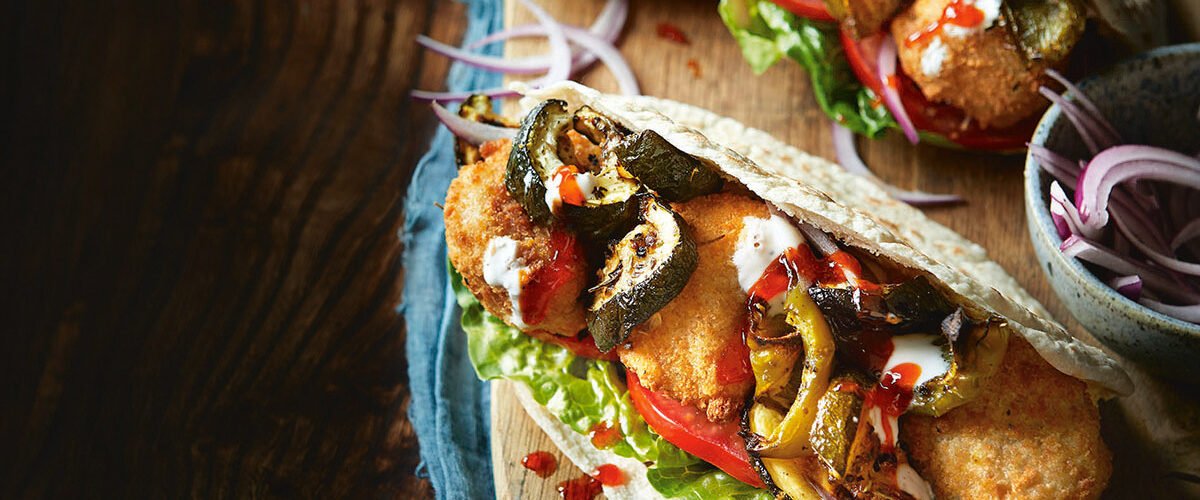
The kebab pita stands as a masterclass in culinary balance, representing one of the most successful migrations of Middle Eastern and Mediterranean street food into the global mainstream. What began centuries ago as a practical method for soldiers to cook fresh meat over open fires has transformed into a modern, multi-billion-dollar global phenomenon. Today, whether served from a late-night food cart in Europe or ordered via delivery apps like Foodpanda in Southeast Asia, the kebab pita remains a universally beloved comfort food. At its core, the dish relies on a simple yet flawless architecture: warm, pocketed flatbread stuffed with deeply seasoned meats, crisp raw vegetables, and contrasting sauces that tie the elements together.

The Evolution of the Kebab

While the word “kebab” generally refers to a wide variety of grilled meat dishes, the specific concept of shaving meat into a pita pocket evolved significantly with the invention of the vertical rotisserie in the 19th-century Ottoman Empire. This cooking style allowed the meat juices to cascade down the stack as it rotated, self-basting the roast  kebab la muralla and keeping the meat incredibly succulent. When Turkish, Greek, and Arab immigrants brought these traditions to urban centers across the globe, they adapted the format for people on the move. Stuffing the meat directly into a pita pocket eliminated the need for plates and utensils, creating the ultimate portable, high-protein meal.

Anatomy of a Perfect Kebab Pita

A truly exceptional kebab pita relies on the quality and harmony of its components. Every layer serves a specific structural and structural purpose:
+-------------------------------------------------------+
| PITA BREAD |
| +-------------------------------------------------+ |
| | ESSENTIAL SAUCES | |
| | (Cooling Tzatziki / Pungent Garlic / Spicy) | |
| +-------------------------------------------------+ |
| | CRISP VEGETABLES | |
| | (Lettuce, Tomatoes, Onions, Pickles) | |
| +-------------------------------------------------+ |
| | MARINATED MEAT FILLING | |
| | [Chicken] [Beef] [Mixed] | |
| +-------------------------------------------------+ |
+-------------------------------------------------------+

The Meat Selection

The true identity of the sandwich is defined by its protein, which requires aggressive marination to withstand high-heat grilling:
  • Chicken Kebab: Typically made from skinless chicken thighs or breasts, this option relies on a marinade of thick yogurt, lemon juice, olive oil, and crushed garlic. The lactic acid in the yogurt breaks down muscle fibers, ensuring the chicken remains juicy. Spices like cumin, paprika, oregano, and a touch of turmeric give the meat its signature golden color and warm, aromatic crust.
  • Beef Kebab: Prepared using lean minced beef or thinly shaved ribbons of steak, beef kebabs offer a robust, earthy flavor profile. The meat is blended thoroughly with grated onions, fresh parsley, ground coriander, black pepper, and allspice. As it cooks, the exterior caramelizes, forming deeply savory, charred edges.
  • Mixed Kebab: For the undecided diner, the mixed option layers both chicken and beef together inside the bread. This creates a compelling contrast in every bite, balancing the lighter, zesty notes of the poultry with the rich, heavy fat profile of the beef.

The Pocket Carrier

The vehicle for this meal is the pita—a simple, yeast-leavened round flatbread. Baked rapidly at scorching temperatures, the water inside the dough turns to steam, causing the bread to puff up dramatically. Once cooled and sliced, it reveals an internal pocket perfectly engineered to corral heavy fillings and absorb running juices without tearing or becoming soggy.

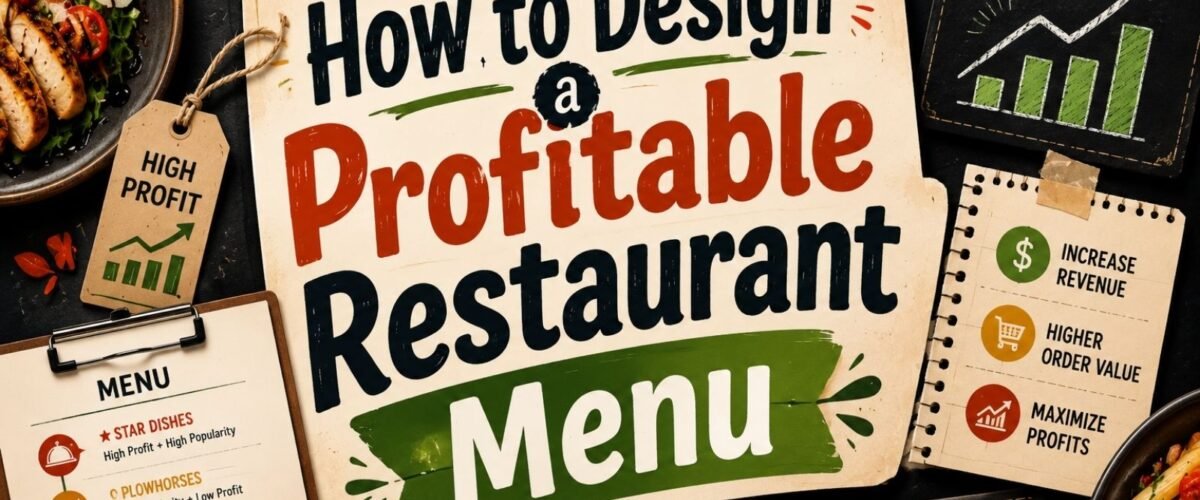
The Ultimate Guide to Engineering a High-Profit Snack Menu: Optimizing the Hot Spot Menu

The Ultimate Guide to Engineering a High-Profit Snack Menu: Optimizing the Hot Spot Menu

A concise menu is a powerful asset in the food and beverage industry. When a restaurant limits its offerings to a few perfectly  halal food truck executed items, it reduces food waste, speeds up kitchen ticket times, and simplifies the ordering process for the customer. The “Hot Spot Menu”—featuring French Fries, Chilli Cheese Toast, Chilli Garlic Toast, Garlic Bread, and Cheese Garlic Bread—is an excellent foundation. It targets universal comfort food cravings. However, maximizing the profitability of this specific carbohydrate-heavy lineup requires strategic menu engineering, flavor balancing, and smart upselling tactics.

The Psychology of Comfort Food Layouts

Customers ordering from a snack-focused menu are typically driven by impulse, late-night cravings, or a desire for casual social sharing. To capitalize on this mindset, the layout must guide the eye directly to the highest-margin items.
  • The Golden Triangle: Studies show that when looking at a menu, the human eye moves first to the center, then to the top right, and finally to the top left. Place your signature, high-margin item—such as the Cheese Garlic Bread—in the top-right corner to capture immediate attention.
  • Descriptive Copywriting: Do not simply list ingredients. Use sensory words that trigger appetite. Instead of listing “Garlic Bread,” describe it as “Artisanal baguette slices brushed with slow-cooked herb garlic butter and toasted until golden crisp.” This increases the perceived value, allowing you to command a higher price point.

Strategic Flavor Pairing & Menu Expansion

While the current menu is strong, it relies heavily on dairy, bread, and carbohydrates. To increase the average ticket size per customer, you must introduce low-cost additions that balance these heavy profiles.

1. Acidic and Refreshing Beverages

Cheese and garlic leave a heavy coat on the palate. Introduce highly acidic or fizzy beverages to cut through the fat. A classic mint mojito, a sharp lemon iced tea, or a green apple cooler resets the customer’s taste buds after every bite of Chilli Garlic Toast. This encourages them to eat more and increases overall satisfaction.

2. High-Yield Signature Dips

Dips are the ultimate menu-engineering secret tool. The cost of goods sold (COGS) for a small side of sauce is minimal, yet customers gladly pay a premium for them. Offer a trio of distinct dipping sauces:
  • Spicy: A fiery peri-peri or sriracha mayo to complement the French Fries.
  • Cool: A creamy herbed sour cream or garlic aioli.
  • Sweet/Tangy: A sweet chilli glaze or a classic marinara sauce to pair with the Cheese Garlic Bread.

Combo Engineering for Higher Order Value

The easiest way to boost revenue without finding new customers is to get your existing customers to spend more per visit. Grouping individual items into curated combos creates a high-value perception.
Combo Name Items Included Target Audience
The Garlic Feast Cheese Garlic Bread + Chilli Garlic Toast + 1 Large Beverage Solo diners looking for a filling meal.
The Heatwave Pair Chilli Cheese Toast + French Fries + 1 Spicy Dip Pairs or individuals who love bold flavor profiles.
The Hot Spot Platter Half-portions of all 5 items + 2 Signature Dips Small groups, friends, and late-night socializers.

Operational Execution for Kitchen Efficiency

A snack menu must live up to its name by being served fast. Because your menu relies heavily on toasting and frying, kitchen operations can be streamlined for maximum speed.
  • Batch Preparation: Prepare the garlic butter infusion and the shredded chilli-cheese mix in large batches during morning prep. When an order arrives for Chilli Cheese Toast, the line cook should only need to spread the pre-made mix onto the bread and slide it into a high-speed salamander or conveyor oven.
  • Strict Portion Control: Use standardized scoops for the cheese and pre-measured frozen or fresh portions for the French Fries. This guarantees that your food costs stay predictable and every customer receives the exact same high-quality experience.
By implementing these structure upgrades, sensory descriptions, and smart add-ons, the Hot Spot Menu can transform from a simple list of sides into a highly profitable, efficient culinary destination.