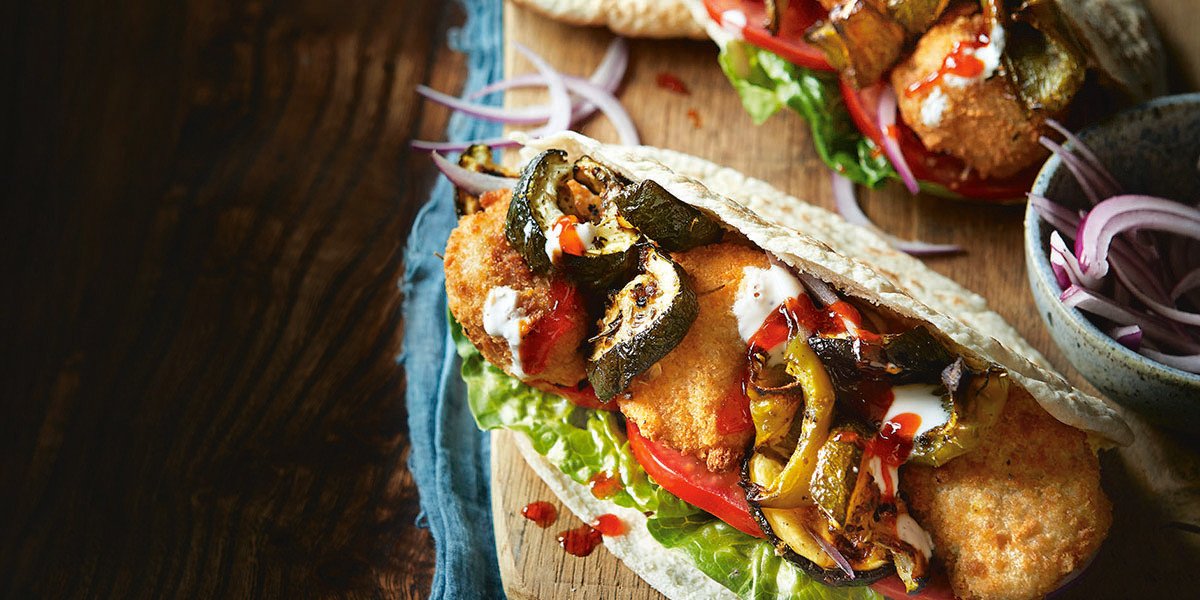
The Ultimate Guide to the Kebab Pita: History, Ingredients, and Flavors
The kebab pita stands as a masterclass in culinary balance, representing one of the most successful migrations of Middle Eastern and Mediterranean street food into the global mainstream. What began centuries ago as a practical method for soldiers to cook fresh meat over open fires has transformed into a modern, multi-billion-dollar global phenomenon. Today, whether served from a late-night food cart in Europe or ordered via delivery apps like Foodpanda in Southeast Asia, the kebab pita remains a universally beloved comfort food. At its core, the dish relies on a simple yet flawless architecture: warm, pocketed flatbread stuffed with deeply seasoned meats, crisp raw vegetables, and contrasting sauces that tie the elements together.
The Evolution of the Kebab
While the word “kebab” generally refers to a wide variety of grilled meat dishes, the specific concept of shaving meat into a pita pocket evolved significantly with the invention of the vertical rotisserie in the 19th-century Ottoman Empire. This cooking style allowed the meat juices to cascade down the stack as it rotated, self-basting the roast kebab la muralla and keeping the meat incredibly succulent. When Turkish, Greek, and Arab immigrants brought these traditions to urban centers across the globe, they adapted the format for people on the move. Stuffing the meat directly into a pita pocket eliminated the need for plates and utensils, creating the ultimate portable, high-protein meal.
Anatomy of a Perfect Kebab Pita
A truly exceptional kebab pita relies on the quality and harmony of its components. Every layer serves a specific structural and structural purpose:
+-------------------------------------------------------+
| PITA BREAD |
| +-------------------------------------------------+ |
| | ESSENTIAL SAUCES | |
| | (Cooling Tzatziki / Pungent Garlic / Spicy) | |
| +-------------------------------------------------+ |
| | CRISP VEGETABLES | |
| | (Lettuce, Tomatoes, Onions, Pickles) | |
| +-------------------------------------------------+ |
| | MARINATED MEAT FILLING | |
| | [Chicken] [Beef] [Mixed] | |
| +-------------------------------------------------+ |
+-------------------------------------------------------+
The Meat Selection
The true identity of the sandwich is defined by its protein, which requires aggressive marination to withstand high-heat grilling:
- Chicken Kebab: Typically made from skinless chicken thighs or breasts, this option relies on a marinade of thick yogurt, lemon juice, olive oil, and crushed garlic. The lactic acid in the yogurt breaks down muscle fibers, ensuring the chicken remains juicy. Spices like cumin, paprika, oregano, and a touch of turmeric give the meat its signature golden color and warm, aromatic crust.
- Beef Kebab: Prepared using lean minced beef or thinly shaved ribbons of steak, beef kebabs offer a robust, earthy flavor profile. The meat is blended thoroughly with grated onions, fresh parsley, ground coriander, black pepper, and allspice. As it cooks, the exterior caramelizes, forming deeply savory, charred edges.
- Mixed Kebab: For the undecided diner, the mixed option layers both chicken and beef together inside the bread. This creates a compelling contrast in every bite, balancing the lighter, zesty notes of the poultry with the rich, heavy fat profile of the beef.
The Pocket Carrier
The vehicle for this meal is the pita—a simple, yeast-leavened round flatbread. Baked rapidly at scorching temperatures, the water inside the dough turns to steam, causing the bread to puff up dramatically. Once cooled and sliced, it reveals an internal pocket perfectly engineered to corral heavy fillings and absorb running juices without tearing or becoming soggy.