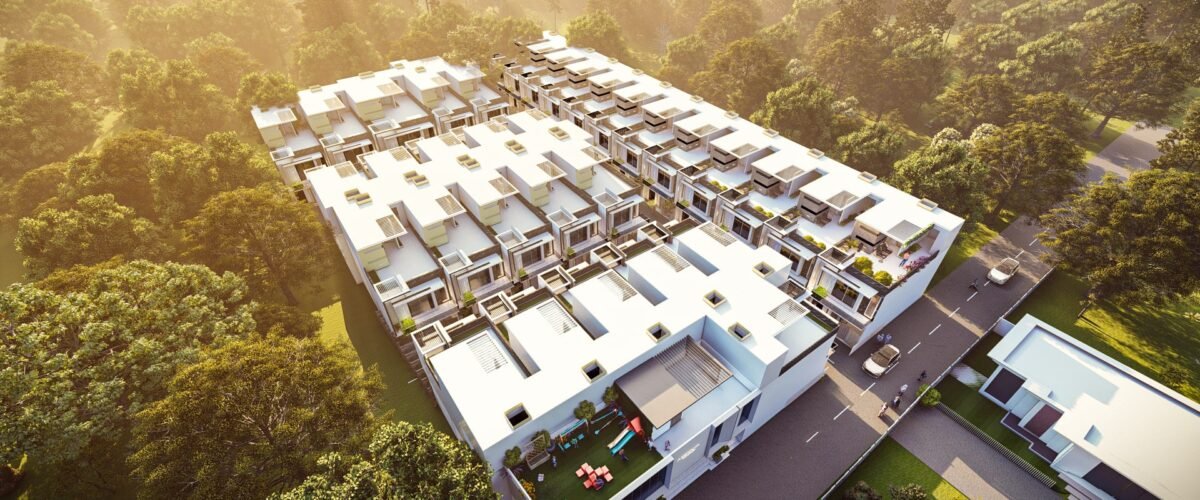
Redefining Luxury Horizontal Living: Ashiyana Villas Launches New High-End Phases in Noida Extension

Redefining Luxury Horizontal Living: Ashiyana Villas Launches New High-End Phases in Noida Extension

The real estate landscape of Greater Noida West, popularly known as Noida Extension, is undergoing a massive transformation. As vertical high-rise apartments crowd the skyline, the demand for exclusive, low-density horizontal living has ashiyanavillas.com reached an all-time high. Leading this architectural paradigm shift is Dagar Builders & Developers with their flagship premium township, Ashiyana Villas. While the initial segments of this highly sought-after development launched around 2022 and are now thriving, ready-to-move communities, the developer has officially rolled out a series of highly anticipated, ongoing phases slated for delivery between 2024 and 2026.
These recent phases, anchored by the expansion of Dagar Ashiyana Villa 2, introduce a refined collection of independent luxury residences. Designed specifically for discerning buyers who refuse to compromise on space, privacy, or elite community standards, these modern phases bring an elevated level of design and infrastructure to Sector 16.

The Evolution of a Premium Township: 2022 to 2026

The journey of Ashiyana Villas began as a vision to provide independent, multi-level homes within a secure, managed ecosystem. The early phases (2022–2023) successfully delivered premium independent villas that have since appreciated significantly, with many units now trading at a premium on the secondary resale market.
Building on this success, the ongoing phases running through 2026 represent a major architectural upgrade. Dagar Builders & Developers have integrated contemporary design updates, enhanced structural engineering, and optimized floor planning based on buyer feedback from earlier iterations. These new clusters feature cleaner geometric lines, larger windows for optimized natural ventilation, and superior internal finishes, making them highly competitive in the luxury segment.

Architectural Layouts and Generous Spatial Profiles

The latest phase rollouts at Ashiyana Villas focus predominantly on premium, multi-level independent configurations, catering to multi-generational families and modern professionals looking for dedicated home offices.
  • 3 BHK Luxury Villas: These configurations maximize functional space, providing perfect layouts for growing families who value private outdoor zones alongside comfortable indoor living.
  • 4 BHK Luxury Villas: The ultimate expression of luxury in the township, these expansive units provide separate formal and informal living spaces, massive bedrooms, and premium domestic help quarters.
The physical scale of these residences is a major selling point. Unit sizes span an impressive footprint from 1,850 square feet to 2,875 square feet of total area. Unlike typical builder floors, each villa boasts an independent boundary parameter, a private open-to-sky rooftop terrace, and a dedicated structural foundation, giving owners absolute control over their piece of land.

Capital Index and Current Market Pricing

As the infrastructure around Sector 16 matures, real estate values in this pocket have steadily scaled. The fresh inventory bookings within the 2024–2026 phases reflect the premium nature of the construction materials and the exclusivity of the low-density neighborhood layout.
Currently, price points for new phase bookings start at approximately ₹1.32 Crore and extend up to ₹1.84 Crore for the largest 4 BHK layouts. Final pricing fluctuates based on specific plot positioning, corner preferences, proximity to central green belts, and the total carpet area selected. Compared to high-density luxury apartments in neighboring sectors, Ashiyana Villas offers a highly competitive price-per-square-foot ratio, especially considering that land ownership is included.

Shadows on the Canvas: The Psychological Power of Haunted Art

Shadows on the Canvas: The Psychological Power of Haunted Art

The human fascination with the macabre has always found a comfortable home in visual art. From ancient frescoes depicting the underworld to modern digital illustrations of gothic worlds, we are consistently drawn to images that unsettlingly https://grovestreetart.com/ mirror our deepest anxieties. Within the horror genre, few tropes carry as much psychological weight as the haunted or tragic artwork. Phrases like “The Nightmare Portrait,” “The Cursed Portrait,” and “The Portrait of the Forgotten” are not merely evocative titles; they represent deep-seated psychological archetypes that play on our fear of the unknown, mortality, and the loss of identity.

The Mirror of the Soul: The Cursed Portrait

The concept of “The Cursed Portrait” taps directly into the fear of consequence and moral decay. The most prominent literary foundation for this is Oscar Wilde’s The Picture of Dorian Gray. In Wilde’s narrative, the portrait serves as a literal ledger of the soul, absorbing the physical deformities caused by the protagonist’s sins while he remains youthfully flawless.
This trope terrifies us because it strips away our ability to hide our true selves. In real-world folklore, this manifested in the mid-20th-century myth of Bruno Amadio’s The Crying Boy prints, which were blamed for a series of house fires across the United Kingdom. Psychologically, the cursed portrait turns a passive object into an active, malicious observer. It suggests that art is not just a reflection of reality, but a vessel capable of trapping and projecting negative energy back into the physical world.

The Terror of Oblivion: Portrait of the Forgotten

While a cursed painting implies active malice, the “Portrait of the Forgotten” evokes a quieter, deeper existential dread: the fear of being erased. In dark fantasy lore and digital art, this concept often manifests as faceless figures, fading silhouettes, or subjects whose names have been lost to time.
This archetype plays on our fear of social death and obsolescence. Humans possess an innate desire to be remembered; portraiture was historically invented to grant mortals a form of immortality. When a portrait becomes “forgotten,” it symbolizes the ultimate failure of that preservation. The subject is trapped in a permanent state of limbo—physically preserved on canvas, yet entirely erased from living memory. It forces the viewer to confront their own eventual insignificance in the grand timeline of history.

Why the Gothic Aesthetic Endures

Whether it is the whimsical, Tim Burton-inspired dark caricature of a modern “Nightmare Portrait” or a tragic gothic oil painting, this aesthetic endures because it provides a safe space to explore fear. Art allows us to externalize our internal anxieties. By confining our fears of decay, cursed fates, and emotional isolation into the strict boundaries of a picture frame, we gain control over them. A haunting portrait reminds us that while the shadows of the human experience are vast, they can ultimately be captured, understood, and mastered by the artist’s brush.

Wake Up Above the Clouds: The Scenic Grandeur of Finca Hotel La Moni

Wake Up Above the Clouds: The Scenic Grandeur of Finca Hotel La Moni

The Eje Cafetero, Colombia’s world-famous Coffee Triangle, is celebrated for its lush rolling hills, vibrant colonial architecture, and rich agricultural heritage. Yet, few experiences in this UNESCO-listed landscape match the awe-inspiring sight of the https://www.fincahotellamoni.com/ high Andes cutting through the morning mist. Strategically nestled on the rural ridge between Circasia and Montenegro in Quindío, Finca Hotel La Moni offers travelers a front-row seat to one of the region’s most spectacular natural spectacles: unobstructed vistas of the snow-capped peaks of Nevado del Ruiz and Nevado de Santa Isabel.

Geographic Vantage Point

Finca Hotel La Moni sits elevated within the undulating topography of the Quindío department. This unique geographical placement acts as a natural viewing platform. On clear mornings, the horizon parts to reveal the dramatic, jagged outlines of Los Nevados National Natural Park. To see tropical snow gleaming under the equatorial sun while standing in the middle of a temperate, verdant coffee plantation is a striking contrast that few standard hotels can replicate. The hotel’s open-air quiosco (traditional gazebo) and swimming pool area serve as prime locations to witness this panoramic interplay of light, cloud, and stone.

The Art of Catching the Peaks

Experiencing these geological giants requires a mix of timing and patience. Because the Coffee Triangle is characterized by high humidity and cloud forests, visibility changes rapidly throughout the day.
  1. The Golden Window: The absolute best time to view the volcanoes is between 06:00 AM and 08:30 AM. As the sun rises, it illuminates the glacial peaks before thermal currents push valley moisture upward, typically blanketing the mountains in dense fog by midday.
  2. Seasonal Advantages: While the views can surprise guests year-round, booking a stay during the region’s dry seasons—primarily from December to February and July to August—significantly increases the odds of cloudless morning skies.

Beyond the View: A Base for Adventure

The distant sight of Nevado del Ruiz and Santa Isabel frequently sparks a desire for closer exploration. Finca Hotel La Moni serves as an ideal base camp for high-altitude excursions. Driven travelers can easily coordinate day trips into Los Nevados National Natural Park from nearby hubs. Whether you choose a guided 4×4 expedition to the lunar landscapes of Ruiz’s Valle de las Tumbas or a challenging alpine trek to touch the receding glacier of Santa Isabel, returning to the warm, sub-tropical comfort of La Moni’s pool and hot tub is the ultimate reward after a grueling day at 4,000+ meters above sea level.
For travelers seeking an authentic Colombian countryside escape, Finca Hotel La Moni delivers more than just budget-friendly lodging and warm hospitality. It provides a daily reminder of the sheer scale of the Colombian Andes, transforming an ordinary morning coffee into an unforgettable encounter with nature.

The Tri-Pillar Engine of Healthcare Innovation: Inside Wings Biotech’s Global Ecosystem

The Tri-Pillar Engine of Healthcare Innovation: Inside Wings Biotech’s Global Ecosystem

The global pharmaceutical landscape requires a delicate balance of adaptive research, high-capacity manufacturing, and seamless international logistics. As healthcare demands become more complex due to rising lifestyle diseases and https://www.wingsbiotechlifecare.com/ aging populations, specialized organizations must scale up to deliver both quality and affordability. A prime example of this operational model in action is Wings Biotech LLP, an Indian healthcare organization that has strategically structured its corporate growth around three interconnected pillars: advanced Research and Development, state-of-the-art manufacturing infrastructure, and an expansive international trade network. By analyzing these three distinct divisions, we gain a clear understanding of how modern pharmaceutical entities transition from localized manufacturers into globally integrated healthcare providers.

Advanced Formulation and Therapeutic-Focused R&D

At the heart of the organization lies its Research and Development division, which acts as the primary engine for product pipeline generation. Rather than focusing solely on generic chemical replication, the R&D team prioritizes advanced formulation development. This focus allows for improved drug bio-availability, reduced side effects, and enhanced patient compliance.
To address the surging global burden of chronic ailments, the company has segmented its research operations into dedicated, therapeutic-focused specialized wings:
  • Wings Metabolic Care: Concentrates on formulating next-generation treatments for diabetes, hypertension, and complex cardio-diabetic conditions.
  • Wings Neuro Care: Dedicated to the highly specialized field of neuro-psychiatry, developing molecules targeted at central nervous system disorders.
Beyond traditional allopathic medicine, this R&D infrastructure supports a diverse product matrix. Chemists and formulation scientists work concurrently on herbal or Ayurvedic remedies, nutraceutical supplements, and functional cosmetics. This multifaceted research approach ensures that the company can pivot to meet evolving consumer wellness trends while maintaining a rigorous internal Quality Assurance (QA) and Quality Control (QC) framework to assess long-term stability and strict regulatory drug compliance.

Scalable Infrastructure and Manufacturing Excellence

An innovative formulation is only as valuable as the infrastructure available to produce it at scale. The company’s primary manufacturing operations are strategically anchored in Baddi, Himachal Pradesh—a premier industrial zone recognized as India’s hub for pharmaceutical manufacturing. Operating within this ecosystem allows for robust supply chain integration and access to a highly skilled technical workforce.
The manufacturing facilities are built and maintained in strict compliance with global benchmarks, holding prestigious World Health Organization Good Manufacturing Practices (WHO-GMP) certifications. To prevent cross-contamination and maximize operational efficiency, the infrastructure is segregated into highly specialized, tech-driven blocks:
  • Pharma Production Blocks: Engineered for the high-volume output of traditional dosage forms. This includes separate, controlled environments for oral solid dosages (tablets and capsules), liquid orals, external topicals (ointments and creams), and oral dry powders.
  • Consumer Care Blocks: Dedicated production areas designed to manufacture personal care products, specialized soaps, over-the-counter (OTC) cosmetic treatments, and traditional wellness formulations without risking the integrity of prescription drug lines.
The entire manufacturing ecosystem relies on integrated tech-driven tracking systems. Laboratories are outfitted with high-performance liquid chromatography (HPLC) instruments, Fourier-transform infrared spectroscopy (FTIR), and advanced spectrophotometers to run real-time assays on raw materials and finished goods. Structurally, the facility utilizes enterprise resource planning (ERP) software like SAP to align production scheduling, warehouse inventory, and batch release data with mathematical precision.